A lot of brands open their first conversation with a factory the same way: “I want to make a supplement. Can you help?” A factory can’t quote or schedule from that sentence. It’s not that the factory doesn’t want to help; there’s simply too much missing, and every missing piece pushes the quote and the timeline back.
Come in with clear information and you’ll get a more accurate answer the first time, and a better sense of whether that factory is right for you. These are the seven things we go back and forth on most in a first round with a new project.
01Target market: it sets the rules, certifications and shipping
Where the product will be sold decides which regulations apply, which certifications you need and what language the label must be in. The US, the EU and Southeast Asia all treat supplements differently. If you haven’t decided yet, at least know whether you’re selling at home or exporting, and to roughly which countries. Then the factory can tell which documents are required now and which can wait. How far the market is from the factory also changes shipping and customs work.

02Dosage form: it also sets the MOQ tier
Tablets, hard capsules, softgels, gummies, drink mixes, oral liquids and herbal tea bags each run on different lines, and their minimum order quantities sit at different levels. That number comes from line changeover and material loss, not a figure the factory picks at random. Hilford runs all seven of these formats, so changing format usually doesn’t mean changing factories, but the MOQ and schedule still need to be recalculated. Don’t ask for a price before the format is settled; price moves with format and quantity.
03First order size: ask about MOQ, and about a pilot batch
Beyond the MOQ, ask whether the factory can run a small pilot or sample batch first, so you can test the market before committing to volume. Some factories have high changeover costs and little flexibility; others are willing to start small. If you don’t ask, most won’t offer.
04Packaging: stock and custom packaging have very different MOQs
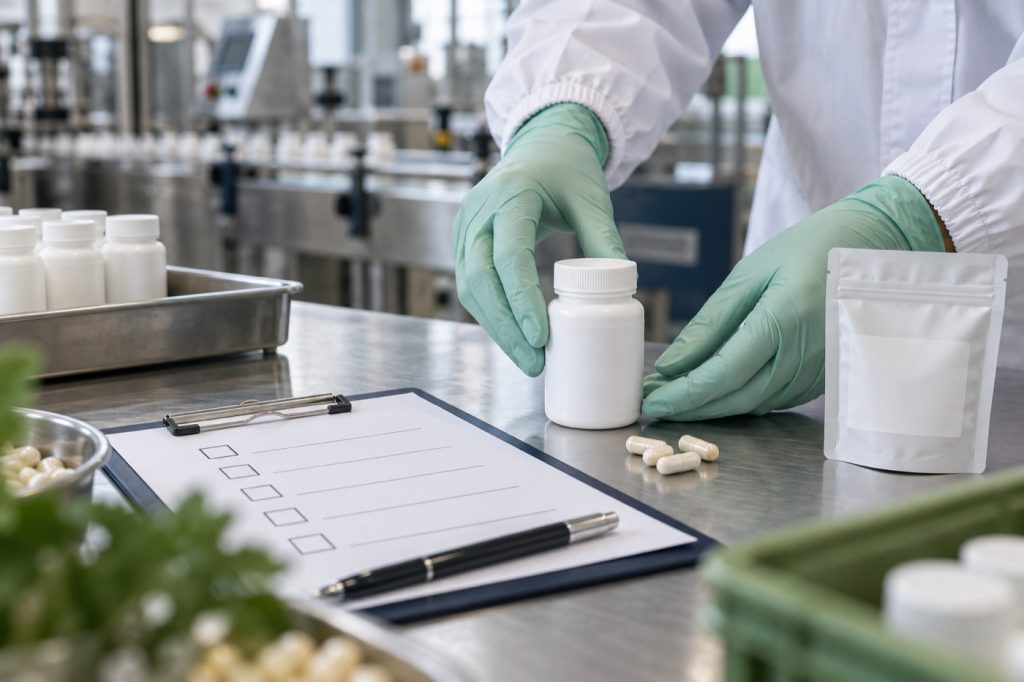
The product MOQ and the packaging MOQ are often different numbers. Using the factory’s stock bottles and materials and changing only the label and design usually means a much lower MOQ than fully custom packaging. Once you need a new mold or custom printed materials, the MOQ often jumps. Decide before you ask for a quote, or packaging rework can hold up the whole schedule.
05Formula: existing or custom
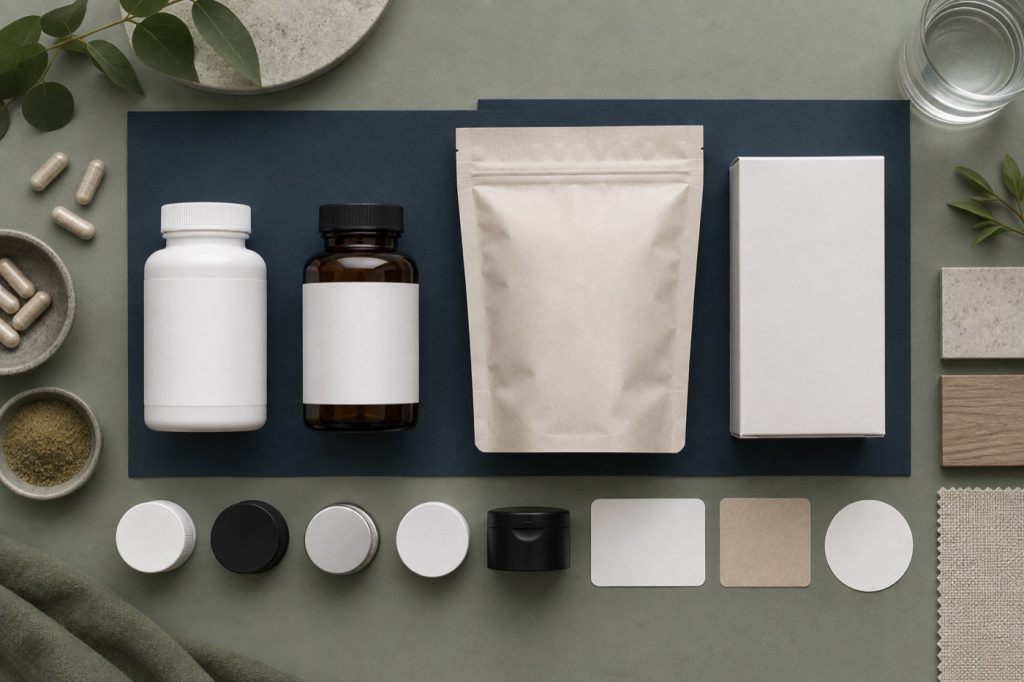
Factories usually have proven formulas that only need a flavor or spec change. These launch faster with lower MOQs. A fully custom formula means ingredient screening and several sample rounds, so it takes longer and costs more. If you go custom, agree up front on who owns the formula and put it in the contract, rather than finding out it’s unclear when the partnership ends.
06Timeline: expect more than one round of samples
Many brands picture a straight line: plan, sample, produce, launch. In practice the first sample often needs a taste or packaging change, the second may need another, and extra testing can be added in between. Each round takes time. Building in that margin early is far better than discovering close to launch that you can’t make the date.
07Compliance documents: ask early
Third-party test reports and proof of the factory’s quality system are things marketplaces and distributors will very likely ask for. Instead of chasing the factory when the request comes, ask at the start: does the factory use third-party testing, and which quality system documents can it provide?

Bring these seven to the first call
Rather than asking “can you make this?”, bring these seven answers. You’ll get a more accurate quote and schedule from the first conversation, and a clearer read on whether the factory fits your project.