When a brand asks “which format should we make?”, it is never just one question. Will your customers take several pills a day? Can the ingredients be pressed into a tablet? Will the smell come through? Can a buyer read the dose on the label? The answers stacked together decide what the product should look like.
Choosing a dosage form is not a styling decision. It means putting the formula, the process, the packaging and the buyer’s daily habits on the same table. Here is how we look at each common format.
Hard capsules: easy to swallow is only half the story
Buyers usually raise two concerns about capsules: large capsules are hard to swallow, and the dose is hard to compare. The same ingredient is often labeled in different units on a capsule product and a powder product, so shoppers holding both bottles often can’t tell if they contain the same amount.
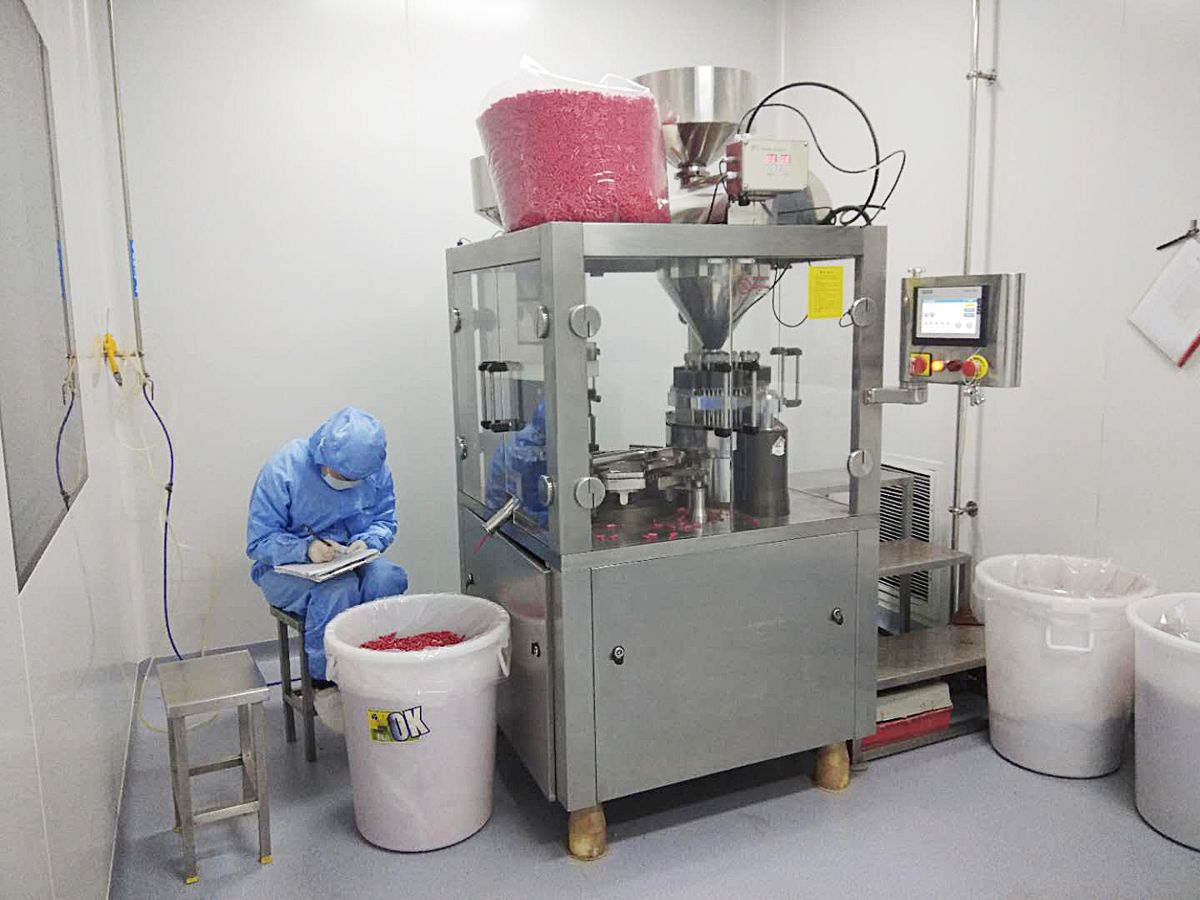
Capsules are good at hiding the taste or smell of an ingredient, which is their main advantage over powders. But the powder needs the right particle size and flow to fill well on automatic machines, or fill weights drift from batch to batch. If you want a smaller capsule, you usually lower the fill per capsule and raise the number of capsules per day, or split the dose. That trade-off should match how your customers actually take supplements. A factory can’t decide it alone.
Tablets: whether it presses comes before how it looks
Tablets look like the most “standard” format, but not every formula can be pressed directly. Compressibility, moisture and particle structure decide whether a tablet will hold together. High-dose or moisture-loving ingredients often need extra excipients and a granulation step, which affects both cost and taste.

Coating is a separate decision. Sugar coating, film coating and enteric coating each change how fast the tablet breaks down, how it tastes and how it should be stored. Picking the wrong coating is far more expensive to fix later than to ask about up front.
Gummies: trust matters more than you’d think
The hardest part of gummies is often not the process but trust. Many consumers feel gummies are “too much like candy” and wonder whether the dose compares with a tablet or capsule. That doubt affects whether a brand picks gummies at all, and how the label and marketing should be written.
On the manufacturing side, a gummy formula balances taste, consistent texture from batch to batch, and how much active ingredient each piece can carry. The higher the dose, the more taste and shape stability suffer. That is why gummy servings usually carry less per piece than capsules or tablets. It’s not that a factory can’t go higher; it’s that taste and stability pay the price.
Powders: unit confusion is the most common problem
Powders skip the limits of pressing and filling, so the range of usable ingredients is usually wider. But flow, clumping and weighing accuracy matter even more, especially in single-serve sticks or sachets, where every pack needs the same weight.
Powders also tend to be labeled “per serving” in a way that doesn’t line up with other formats. If you are comparing a capsule version and a powder version, settle the units and conversions during formulation, not after the label is designed.
Softgels: buyers will ask what the shell is made of
Softgels are built for oil-soluble or liquid fills, which solid formats can’t hold. Whether the shell is gelatin or plant-based affects cost and stability, and also what you will need to tell customers about ingredient sources. Ask before sampling; changing the shell after launch costs more time and money.

Drying and setting softgels is sensitive to temperature, humidity and how the capsules are tumbled. Done poorly, capsules stick together or come out uneven.
Drink mixes: like powders, plus the mixing experience
Solid drink mixes and tea bags follow powder logic, with extra questions about how fast they dissolve, how strong they taste once mixed, and what packaging fits.
Sample feedback sets the direction of the next round
Whatever format you choose, the more specific your sample feedback, the faster the factory can tell whether to change the formula, the process or the packaging. Instead of “the taste isn’t right”, say whether it’s sweetness, bitterness or aftertaste. Instead of “we’re not sure about the format”, describe how your customers take supplements and what your target market expects from the package.