When brands compare quotes, a tempting idea comes up: send the blending to one factory, the tableting to another and the packing to a third, and pick the cheapest at every step. It sounds efficient. For supplements, it usually isn’t. Part of the reason is quality and accountability. Part of it is that regulators have already drawn the line.
01Why splitting production looks cheaper but carries more risk
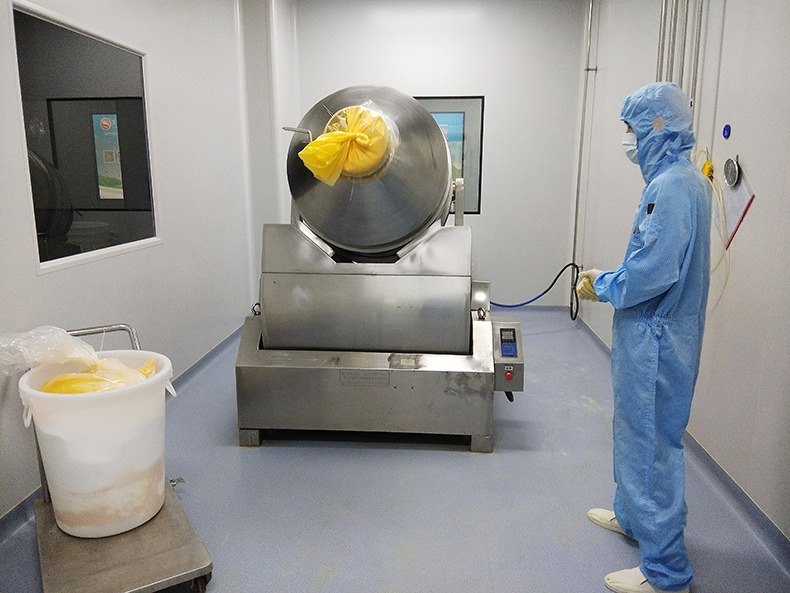
Production steps are tightly linked: what one step produces is what the next step needs. How evenly the blend is mixed decides the weight and content of every tablet. The moisture left after granulation and drying decides how well the tablets press and coat. The state of the fill decides how the filling and packing lines must be set.
Split one product across several factories and the hand-offs become the weak points. If the finished product fails a test, it is hard to tell which step, or which factory, caused it. Each site answers for its own part, and nobody really answers for the batch.
02In China, the rules already forbid it for supplements
China’s Measures for the Supervision and Administration of Entrusted Food Production (SAMR Order No. 113), published in December 2025 and taking effect on December 1, 2026, state that foods which must be produced through a complete process may not have part of that process contracted out.
For health foods (supplements), the requirement is older. China’s licensing review rules for health food production already require that a contract manufacturer be able to carry out the entire production process of the product it makes. In other words, choosing a factory that can take a product from raw materials to finished goods is not just about efficiency. For products sold in China, it is a compliance requirement.
03Selling outside China? Responsibility still doesn’t transfer
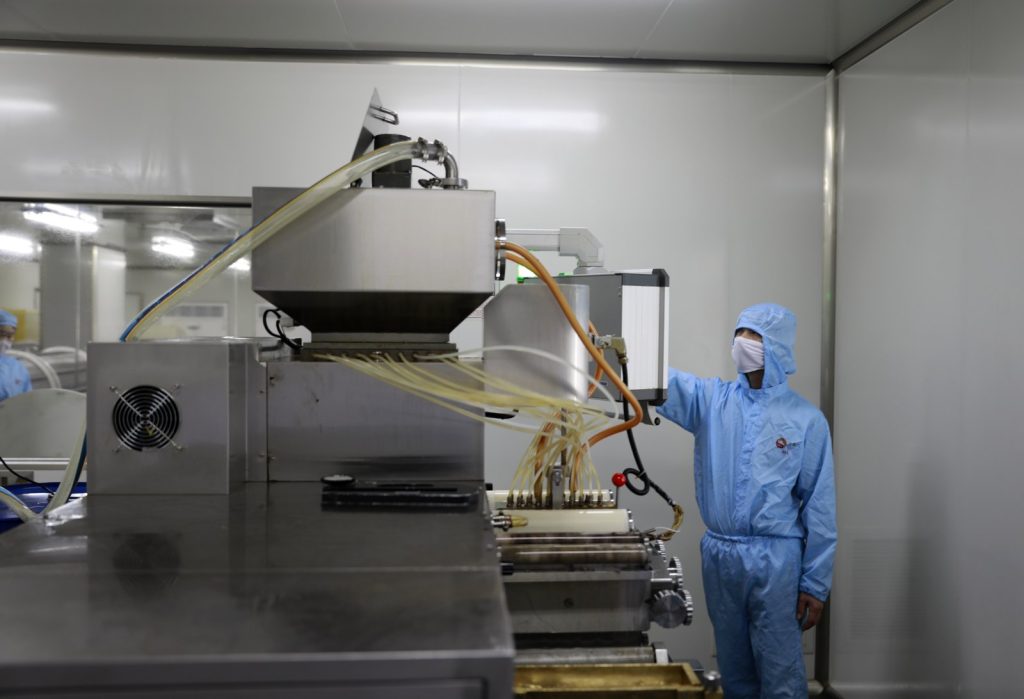
Other markets frame it differently, but the principle is the same. In the US, FDA has made clear that a company that has its supplements made by a contract manufacturer is still responsible for making sure the product meets dietary supplement cGMP requirements. More hand-offs mean more suppliers to qualify, more records to reconcile and more places where a deviation can hide.
04The real cost of splitting the work
Under China’s Order 113, splitting a complete-process food across contractors can lead to an order to correct and a fine of up to RMB 50,000. In any market, the larger cost is usually what comes after a failed batch: investigation, rework, delays and a hit to the brand that far outweighs the savings on the quote.
Ask one question first: can you make all of it?
Comparing quotes is normal. But before comparing price and lead time, confirm that the factory can run the whole process for your product, with complete lines and the right licensing for that dosage form.
At Hilford, tablets, hard capsules and softgels go from weighing to inner packing in our own facility. To see what that looks like step by step, read From Weighing to Bottling: How a Supplement Tablet Is Made.
Sources
- China SAMR, Measures for the Supervision and Administration of Entrusted Food Production (Order No. 113), published December 12, 2025, effective December 1, 2026; Article 3(2) and Article 23.
- China SAMR, licensing review rules for health food production (requirement that the contract manufacturer can complete the entire production process).
- US FDA, Current Good Manufacturing Practice in Manufacturing, Packaging, Labeling, or Holding Operations for Dietary Supplements, final rule, 72 FR 34752 (June 25, 2007), on the responsibility of firms that contract out manufacturing.